
Home / Events / The evolution of the normative framework on professional internships in the DRC: A lever for better professional integration of young people
The evolution of the normative framework on professional internships in the DRC: A lever for better professional integration of young people


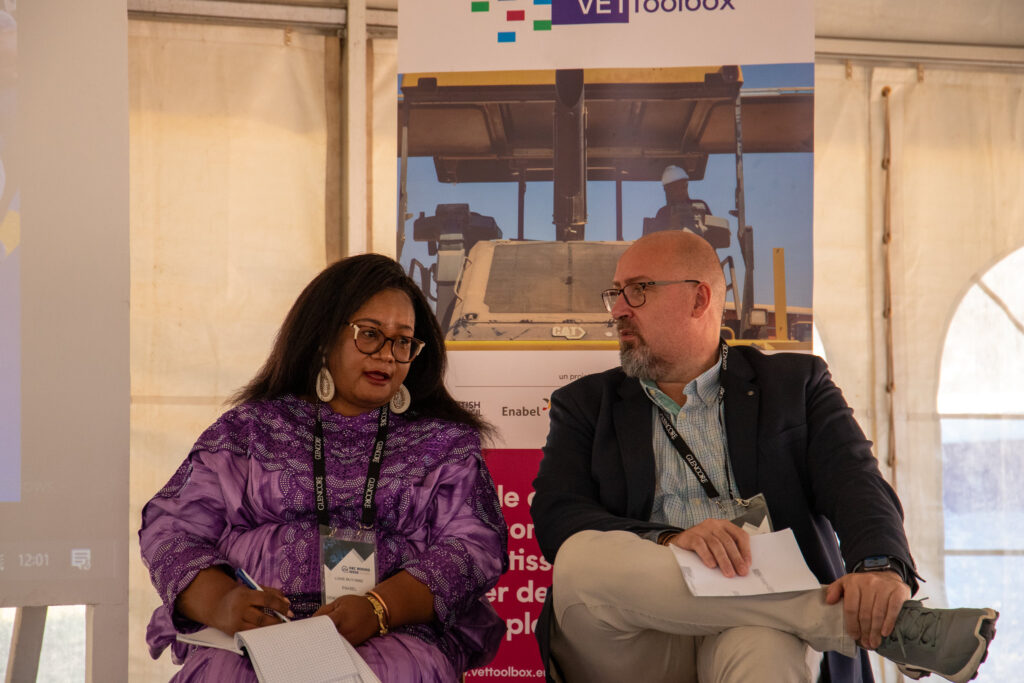
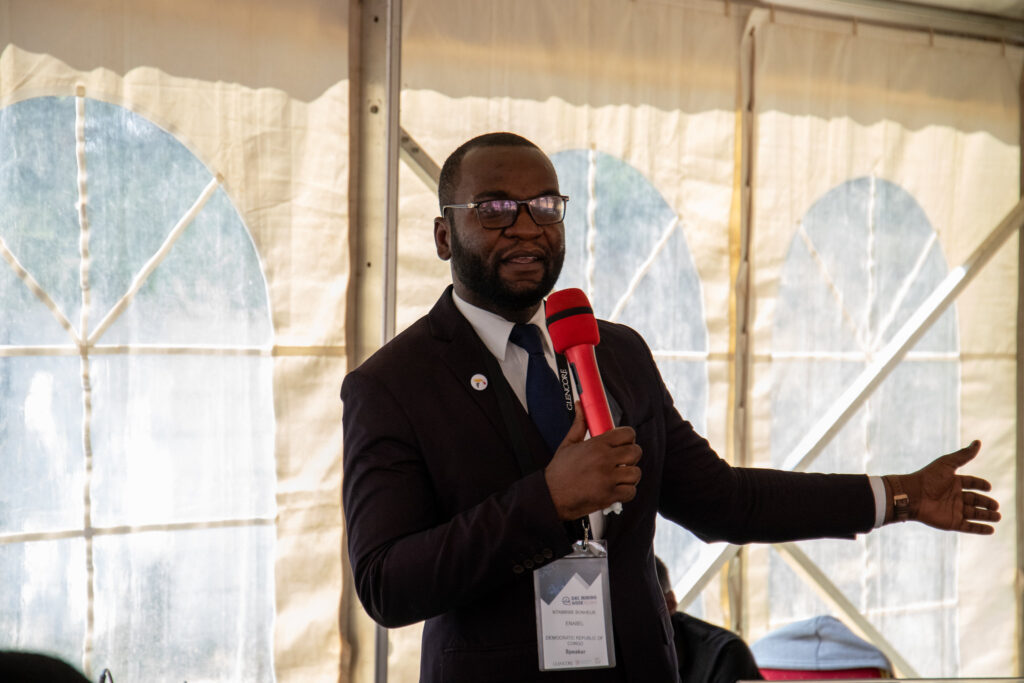
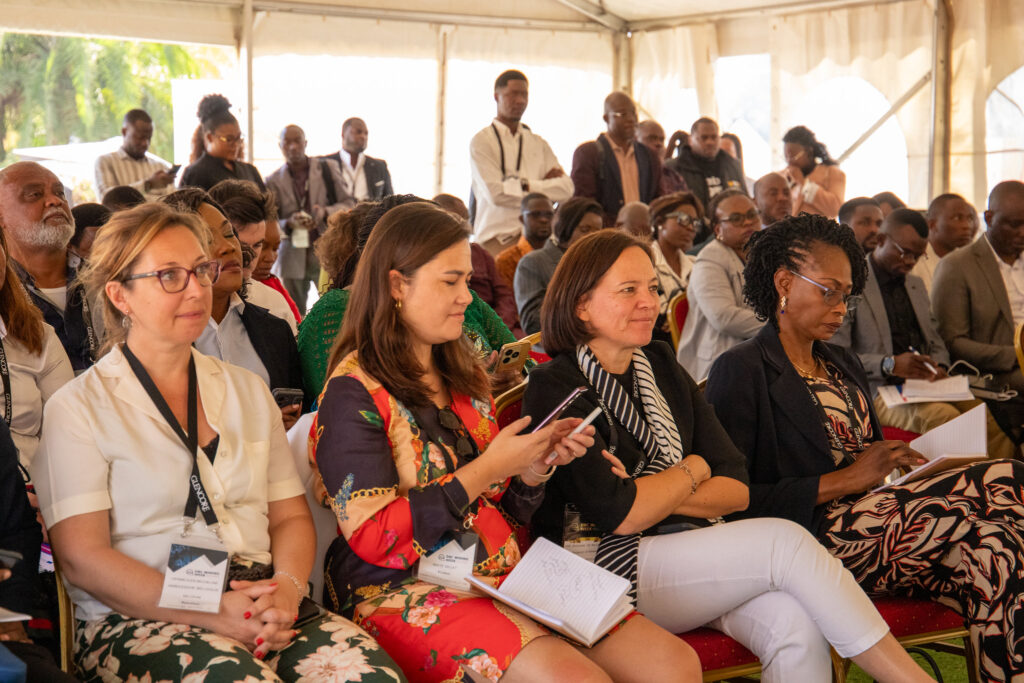
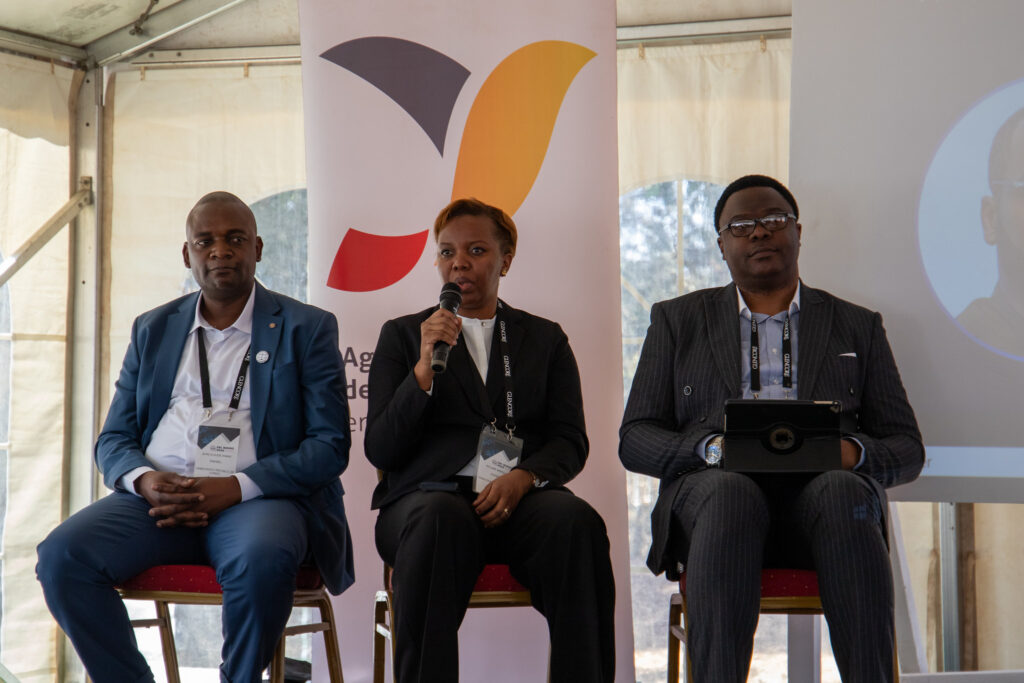
During the DRC Mining Week 2024, a major event bringing together key players in the mining industry and its related sectors, Enabel organised a technical workshop on the normative framework for professional internships in the Democratic Republic of Congo (DRC). A panel of experts from the private and public sector, as well as more than 90 participants, discussed the evolution of this framework to improve the employability of young people.

Meeting the skill needs of businesses in the DRC

In the DRC, key sectors linked to the mining industry, such as transport and logistics, digital services, hospitality, construction, and public works, require a skilled workforce. These sectors have the potential to create jobs, add local value, and diversify the country’s economy.

This workshop emphasised the importance of developing training programmes tailored to business needs, inspired by projects piloted by VET Toolbox, to realise this potential.

Roxane de Bilderling, Ambassador of Belgium to the DRC, stated, “We must focus this training on the needs of businesses. Too often, diplomas are awarded that do not lead to employment. We must align the skills we teach young people with market demands.”

Challenges of professional internships in the DRC

Professional internships are crucial for graduates to apply their theoretical knowledge and develop practical skills tailored to company needs. Mireille Kalume, Director of Human Resources at the Forrest Group, remarked, “A professional internship creates tailor-made profiles for companies.”

However, Jean-Luc Mpoyo, Provincial Director of the Congo Business Federation (Haut-Katanga), pointed out, “Despite the goodwill of some companies, the professional internship system in the DRC is lacking.” The regulatory framework for internships is underdeveloped, creating obstacles for businesses and limiting quality internship opportunities for graduates. This hampers skill transmission within companies and hinders the professional integration of young people.

Towards effective internship regulation

Discussions at the workshop highlighted the need for stronger collaboration between the employment and training sectors to promote and regulate internships effectively. This cooperation would enhance professional integration for young people, develop local value chains, and support sustainable economic development.

Key solutions identified during the workshop include:

  • Establishing a stronger regulatory framework to oversee internships.
  • Improving the quality of training and internships to align with labour market needs.
  • Strengthening tripartite dialogue between the Congo Business Federation (FEC), the Ministry of Labour, and the Technical Education and Vocational Training (ETFP) ecosystem.

Lorenzo Giacomin, Portfolio Manager for Enabel in the DRC, underscored the importance of public-private dialogue, stating, “With European investments and the growth of the mining sector, professional internships are a significant opportunity. We must come together and address this issue collectively.”

Fanon Beya, Director General of ONEM (National Employment Office), announced the forthcoming implementation of a quota system for professional internships within companies, marking a significant step forward for internships in the DRC.

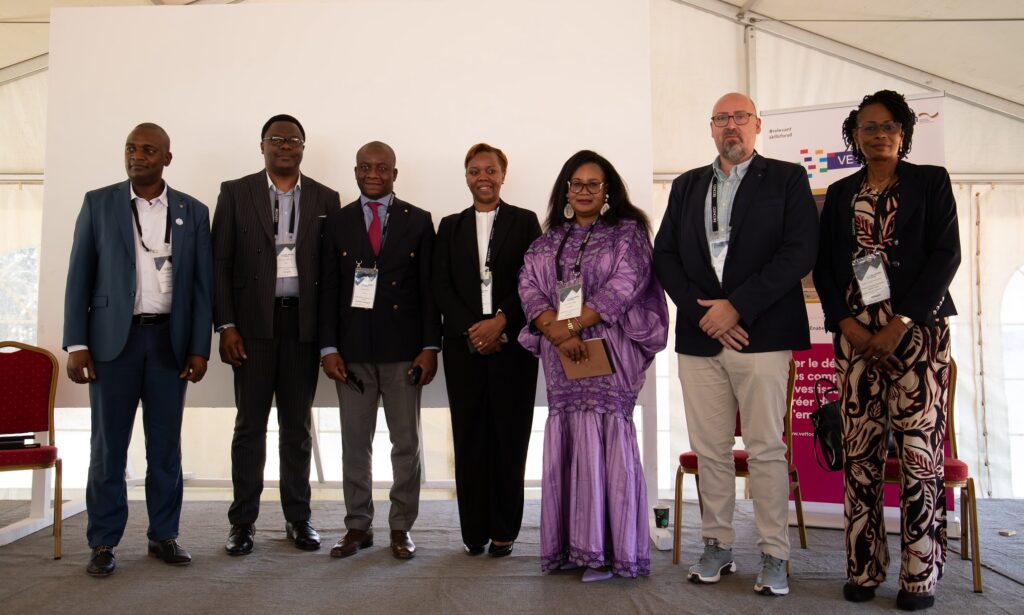
Workshop panellists

Moderator:

  • Bonheur Ntambwe, Training-Employment Expert, Enabel

Speakers:

  • Roxane de Bilderling, Ambassador of Belgium to the DRC
  • Jean-Luc Mpoyo, FEC Haut-Katanga Provincial Director
  • Mireille Kalume, Director of Human Resources, Forrest Group
  • Jean-Claude Kanyiki, Training Director, Congo Equipment CAT
  • Léonie Muyombe, Director, Haut-Katanga Resource Centre
  • Lorenzo Giacomin, Portfolio Manager, Enabel
Contact

Newsletter

Subscribe now

This website is co-funded by the European Union. Its contents are the sole responsibility of VET Toolbox and do not necessarily reflect the views of the European Union.

Privacy Preference Center

Request-based technical support (2017-2022)
We offered technical assistance through short-term interventions that build VET system capacities.

Between 2017 and 2022, VET Toolbox successfully implemented technical interventions in eligible countries. Each intervention, requested by public authorities, social partners, and private institutions, has placed an emphasis on providing expertise to support systemic change, through capacity-building key stakeholders, developing tools, and advising on strategic planning.
Thanks for signing up. You must confirm your email address before we can send you. Please check your email and follow the instructions.
×
×
Assistance technique sur demande (2017-2022)
Depuis 2017, VET Toolbox a mis en œuvre avec succès des interventions techniques dans les pays éligibles. Chaque intervention, demandée par les autorités publiques, les partenaires sociaux et les institutions privées, a mis l'accent sur la fourniture d'une expertise pour soutenir un changement systémique, en renforçant les capacités des parties prenantes clés, en développant des outils et en conseillant sur la planification stratégique.
Thanks for signing up. You must confirm your email address before we can send you. Please check your email and follow the instructions.
×
×
Supporting the positive effects of European investments (2020-2024)
We implement opportunity-driven actions in 11 Sub-Saharan African countries accompanying European investments to help improve local benefits (e.g., jobs, income, local value chains) by addressing the skills gap.

We deliver demand-driven skills development and VET, catering to investment needs in selected countries in Sub-Saharan Africa, through targeted skills development and VET programmes.
Thanks for signing up. You must confirm your email address before we can send you. Please check your email and follow the instructions.
×
×
Funding of innovative pilot projects (2017-2022)
We funded 11 pilot projects that promote inclusion of disadvantages groups in VET.

They focused on youth experiencing or at risk of exclusion, such as women (including young mothers), youth exposed to violence or extremist groups or with a criminal background, internally displaced people and returnees, youth from the poorest households and rural/remote areas, youth with (complex) disabilities, and other vulnerable and disadvantaged people.
Thanks for signing up. You must confirm your email address before we can send you. Please check your email and follow the instructions.
×
×
Actions axées sur les opportunités : des investissements de l’UE aux opportunités d’emploi (2020-2024)
Nous menons des actions de développement des compétences et de formation professionnelle axées sur la demande, répondant aux besoins d’investissement dans certains pays d’Afrique subsaharienne, par le biais de programmes ciblés de développement des compétences et de formation professionnelle.
Thanks for signing up. You must confirm your email address before we can send you. Please check your email and follow the instructions.
×
×
Financement de projets pilotes innovants (2017-2022)
Ils se sont concentrés sur les jeunes en situation d'exclusion ou à risque d'exclusion, tels que les femmes (y compris les jeunes mères), les jeunes exposés à la violence ou à des groupes extrémistes ou ayant un passé criminel, les personnes déplacées à l'intérieur du pays et les rapatriés, les jeunes des ménages les plus pauvres et des zones rurales/éloignées, les jeunes ayant des handicaps (complexes) et d'autres personnes vulnérables et défavorisées.
Thanks for signing up. You must confirm your email address before we can send you. Please check your email and follow the instructions.
×
×
Twinning and mentoring partnerships (2019-2022)
LuxDev and the British Council are working to support the development of TVET in different countries through various partnership agreements. As part of VET Toolbox, LuxDev used a South-South approach to match countries with similar contexts and improve the management of vocational training centres, focusing on public-private collaboration to improve the quality and relevance of training. The British Council set up intercontinental Mentoring Partnerships, bringing together local institutions with a UK TVET college, to focus on employer engagement and bring training programmes closer to the needs of industry.
Thanks for signing up. You must confirm your email address before we can send you. Please check your email and follow the instructions.
×
×
Partenariats de jumelage et de mentorat (2019-2022)
LuxDev et le British Council travaillent pour soutenir le développement de l'EFTP dans différents pays à travers des accords de partenariat. Dans le cadre de VET Toolbox, LuxDev a utilisé une approche Sud-Sud pour mettre en relation des pays présentant des contextes similaires et améliorer la gestion des centres de formation professionnelle, en se concentrant sur la collaboration public-privé pour améliorer la qualité et la pertinence de la formation. Le British Council a mis en place des partenariats de mentorat intercontinentaux, mettant en lien des institutions locales avec un collège britannique d'EFTP, pour se concentrer sur l'engagement des employeurs et rapprocher les programmes de formation des besoins de l'industrie.
Thanks for signing up. You must confirm your email address before we can send you. Please check your email and follow the instructions.
×
×